How to Pass the NEW 2026 PMP Exam on Your First Try
Learn what is changing in the new 2026 PMP exam, why rote memorization of ITTOs is dead, and how to tackle the new 60% Agile and Hybrid weighting.
Session Questions
- Could you give a brief overview of your professional background?
- Why is PMI making significant changes to the PMP exam in 2026?
- What are the structural changes to the exam domains starting today?
- Will there be specific questions about AI tools and automation?
- Has PMI added prompt engineering to the PMP syllabus?
- Are there any changes to the PMP eligibility or experience criteria?
- What is the path for professionals whose PMP certification has expired?
- What is your advice for passing the new PMP exam on the first try?
The Core Argument
Guided by host Sanjay Saini, veteran trainer Yogesh Arora argued that the days of rote memorization for the PMP exam are officially over. Recognizing that traditional waterfall frameworks had become too process-heavy, PMI has restructured the 2026 exam to focus aggressively on value delivery, business environment awareness, and agile methodologies. With a new 60% emphasis on Agile and Hybrid approaches, professionals must pivot away from "mugging up" ITTOs and instead master systems thinking, AI-assisted planning, and servant leadership to clear the certification on their first try.
“The current exam is not about mugging up things and clearing it. Those days are gone.” Yogesh Arora (27:28)
Detailed Answers
1. Could you give a brief overview of your professional background?
Yogesh Arora brings over 32 years of IT industry experience. He spent 18 years leading operations and services at major MNCs, including HCL, Lenovo, LG, and Toshiba. For the last 12 years, he has worked extensively as a trainer and consultant, specializing in PMP, CAPM, and ACP certifications, having successfully trained over 5,000 professionals globally.
2. Why is PMI making significant changes to the PMP exam in 2026?
PMI recognized that the PMP was historically viewed as a process-heavy, waterfall-exclusive certification. As the market aggressively shifted toward agile products and strategic business leadership, PMI had to pivot. The new core philosophy emphasizes delivering early business value regardless of the chosen framework. Consequently, 60% of the new exam now strictly tests Agile and Hybrid ways of working.
3. What are the structural changes to the exam domains starting today?
The exam has been radically reweighted across its three domains. The Business Environment domain jumped massively to 26% of the exam, emphasizing strategic alignment. The Process domain dropped to 41%, and the People domain dropped to 33%. The exam length increased to 240 minutes for 180 questions, featuring more complex drag-and-drop scenarios, graphics, and multi-question case studies.
4. Will there be specific questions about AI tools and automation?
Yes, AI is now integrated as a core theme across the project management lifecycle. Candidates will be tested on how to responsibly deploy AI across three tiers: automation (automating repetitive transactional tasks), assistance (leveraging AI for scheduling and predictive risk identification), and augmentation (using AI to inform high-level human strategy and portfolio optimization).
5. Has PMI added prompt engineering to the PMP syllabus?
Unlike specific agile bodies that have launched dedicated AI courses, PMI is keeping the core PMP exam tool-agnostic. While candidates are expected to understand how to leverage AI tools for planning, they are not tested on specific prompt syntax. However, PMI has launched a completely separate, dedicated certification called PMI-CPMAI (Certified Professional in Managing AI) for practitioners who want deep, technical AI training.
6. Are there any changes to the PMP eligibility or experience criteria?
The core prerequisite remains unchanged: 3 years of project experience for degree holders, and 5 years for those with a high school diploma. However, PMI has expanded the historical window in which that experience must have been earned from 8 years to 10 years, offering a significant advantage to candidates with career gaps. Additionally, holding an active CAPM certification completely waives the experience requirement.
7. What is the path for professionals whose PMP certification has expired?
The PMP requires renewal every three years, followed by a one-year suspension grace period. If a professional misses that entire four-year window, they must sit for the exam again. Because the new pattern relies heavily on Agile and Hybrid contexts, Yogesh strongly advised returning candidates to study the latest PMBOK 8th Edition to bridge the massive gap between legacy waterfall processes and modern value delivery.
8. What is your advice for passing the new PMP exam on the first try?
The era of passing the PMP by rote-memorizing ITTOs (Inputs, Tools, Techniques, Outputs) is completely dead. Yogesh advised candidates to focus on conceptual application anchored in PMI's new principles. You must understand how to adopt a holistic systems view, prioritize value, build in quality to prevent the cost of poor quality (COPQ), and operate as a collaborative servant-leader rather than a command-and-control manager.
The PMP exam has shifted heavily toward Agile and Hybrid models. Master these frameworks in practical reality, rather than just reading a textbook, through our Agile and Scrum Certification Courses.
“Don't be a student to crack the exam... be a student of the project to understand the project dynamics.” Yogesh Arora (43:11)
About the Guest
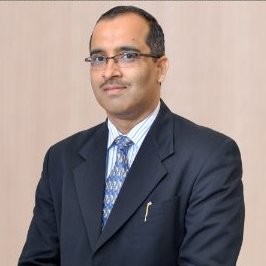
Yogesh Arora is a seasoned Project Management Consultant and Trainer with over 32 years of industry experience. Having managed complex operations at multinational corporations like Lenovo, LG, and HCL, he now specializes in guiding professionals through PMP, CAPM, and ACP certifications, helping teams transition from rigid waterfall workflows to value-driven delivery.
Connect on LinkedIn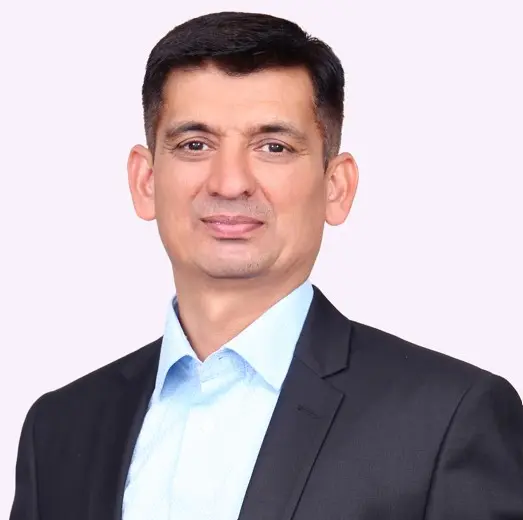
About the Host
Sanjay Saini is the founder of AgileWoW and a leading Agile transformation expert. He hosts the AgileWoW live session series, bringing in industry experts to discuss the practical realities of modern framework adoption and the future of work.
Connect on LinkedInMaster the Modern Delivery Frameworks
The PMP has shifted to a 60% Agile weighting. Whether you are pursuing your PMP or looking to master Scrum, you must understand iterative value delivery. Our certification courses train you to build the judgment needed to run these frameworks in reality, not just pass a test.
Explore Certification Courses