The Non-Functional Requirement We Keep Forgetting
Learn why the massive energy consumption of AI is forcing Agile teams to adopt sustainability as a core Non-Functional Requirement alongside security and performance.
Session Questions
- Could you give a brief intro about yourself and your background?
- What exactly do you mean by sustainable IT and sustainable AI?
- What is the true carbon footprint of the IT industry?
- Do organizations really need massive AI models for everyday tasks?
- How can Agile teams treat sustainability as a Non-Functional Requirement?
- Are government regulations forcing companies to adopt sustainable IT?
- What is demand shifting and how does it reduce energy consumption?
- What is a Forward Deployed Engineer (FDE) and why are they important?
The Core Argument
Guided by host Sanjay Saini, Dr. Niladri Choudhuri argued that the tech industry is blinding itself to an impending environmental crisis. The massive energy consumption and embodied carbon required to run AI models and massive data centers are skyrocketing the IT industry's carbon footprint. Dr. Niladri explained that businesses don't need gigantic, power-hungry models for 95% of their tasks. To survive upcoming governmental regulations, Agile teams must immediately incorporate sustainability into their "Definition of Done," treating footprint optimization as a core Non-Functional Requirement alongside security and performance.
“If sustainability isn't in your Definition of Done, it isn't happening. Right-sizing your AI model is the sustainability equivalent of eliminating overproduction.” Dr. Niladri Choudhuri (22:46)
Detailed Answers
1. Could you give a brief intro about yourself and your background?
Dr. Niladri Choudhuri boasts over 36 years of experience in the IT sector. After noticing a severe lack of awareness regarding the environmental impact of computing, he founded the Green Computing Foundation, a non-profit dedicated to promoting sustainable IT and sustainable AI practices among students, startups, and large enterprise corporations.
2. What exactly do you mean by sustainable IT and sustainable AI?
Sustainable IT involves optimizing compute resources to minimize environmental destruction. Dr. Niladri highlighted two hidden environmental costs: the massive water and electricity consumption required to operate servers, and the "embodied carbon"—the devastating ecological impact of extracting rare earth metals to manufacture devices and clearing biodiversity to build massive data centers.
3. What is the true carbon footprint of the IT industry?
The numbers are alarming. Before the AI boom, the global IT carbon footprint was 4%—which already exceeded the aviation and shipping industries combined. With the explosive compute demands of generative AI, that footprint is currently nearing 8% and is projected to skyrocket to 20% by 2030, heavily accelerating global climate disasters.
4. Do organizations really need massive AI models for everyday tasks?
Absolutely not. Dr. Niladri explained that using a billion-parameter LLM for simple business automation is like using a missile to kill a mosquito. Nearly 95% of business use cases can be executed on smaller, highly contextualized models or simple rules engines, drastically cutting both cloud compute costs and carbon emissions.
5. How can Agile teams treat sustainability as a Non-Functional Requirement?
Agile teams already treat performance, security, and availability as Non-Functional Requirements (NFRs). Dr. Niladri stressed that "carbon footprint" belongs in this exact same category. Agile teams must add sustainability to their Definition of Done, measuring the energy cost per inference and mandating optimized caching strategies before any code can be shipped to production.
6. Are government regulations forcing companies to adopt sustainable IT?
Yes. The era of voluntary compliance is ending. European RFPs now demand strict sustainability audits. Within India, SEBI and the Central Auditor General are rolling out mandates that require financial organizations and government entities to pass rigorous environmental and sustainability audits alongside their standard financial reporting.
7. What is demand shifting and how does it reduce energy consumption?
Demand shifting is the practice of routing heavy compute jobs to geographical regions or specific times of day where renewable energy (like solar or wind) is highly abundant. By coding applications to automatically check grid intensities via tools like Electricity Maps, developers can dynamically shift server processing to regions with a far lower carbon footprint.
8. What is a Forward Deployed Engineer (FDE) and why are they important?
AI will automate raw coding, meaning pure technologists face massive layoff risks. The future belongs to the Forward Deployed Engineer (FDE). An FDE is a senior professional with deep domain knowledge who understands business contexts and can accurately detect when an AI model is hallucinating or drifting, applying human critical thinking to align AI outputs with enterprise goals.
Don't let your Agile processes fall behind upcoming regulatory mandates. Learn how to integrate sustainability, governance, and optimized delivery into your workflows in our Agile and Scrum Certification Courses.
About the Guest
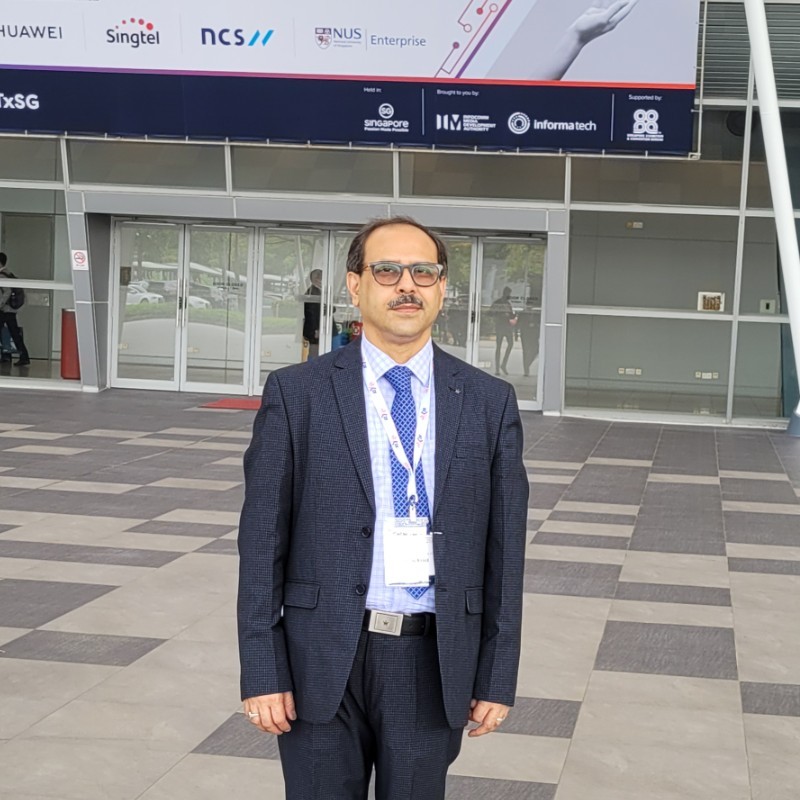
Dr. Niladri Choudhuri is an IT industry veteran with 36 years of experience and the founder of the Green Computing Foundation. He is a passionate advocate for Sustainable IT, actively consulting enterprise organizations on how to minimize the carbon footprint of their data centers, hardware life cycles, and AI architectures.
Connect on LinkedIn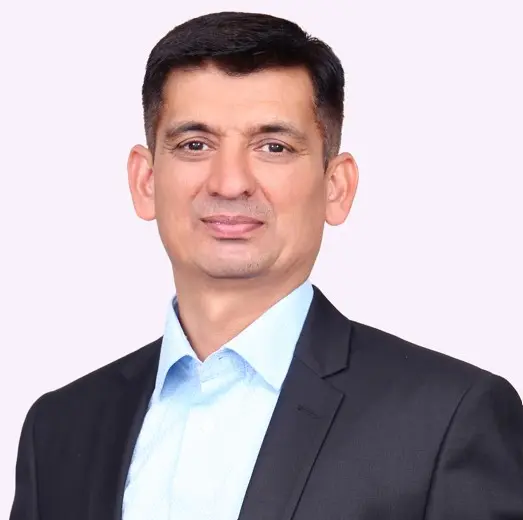
About the Host
Sanjay Saini is the founder of AgileWoW and a leading Agile transformation expert. He hosts the AgileWoW live session series, bringing in industry experts to discuss the practical realities of modern framework adoption and the future of work.
Connect on LinkedInUpgrade Your Definition of Done
Sustainability is the new Non-Functional Requirement. Our certification programs train product owners, scrum masters, and leaders to empirically integrate governance workflows, right-size AI toolsets, and deliver maximum customer value with minimal technical and environmental debt.
Explore Certification Courses