Beyond Frameworks: Why Agile Transformation Fails Without Change Management
Learn why simply adopting a new framework like SAFe or Scrum guarantees failure unless you actively manage human resistance and align organizational KPIs using Change Management.
Session Questions
- Could you give a brief intro about yourself and your background?
- How do you differentiate between Agile transformation and change management?
- Where do Agile transformations usually start within the ADKAR framework?
- How do you align leadership and performance metrics during a transformation?
- What are the biggest mishaps organizations make during change management?
- Why are Agile coaches currently losing their jobs in the industry?
- How should the role of a middle manager evolve to survive automation?
- Why is middle management the toughest hurdle in any organizational change?
The Core Argument
Guided by host Sanjay Saini, Transformation Leader Nagini Chandramouli exposed why the vast majority of Agile implementations ultimately stall or revert to legacy behaviors. The fundamental flaw is that organizations treat Agile purely as a process overhaul, ignoring the psychological realities of Change Management. Nagini argued that forcing teams into two-day Scrum trainings completely bypasses the essential "Awareness" and "Desire" phases of human adoption. Unless leaders redefine employee KPIs to reward Agile behaviors, manage the intense fear of middle management obsolescence, and engineer active "Reinforcement" mechanisms, the transformation will fail the moment the Agile Coach leaves the building.
“You are expecting a two-day Scrum training to fix your entire culture. Agile transformations fail because they force the tool without ever establishing the human desire for change.” Nagini Chandramouli (18:35)
Detailed Answers
1. Could you give a brief intro about yourself and your background?
Nagini is a seasoned Agile and Change Practitioner with over 28 years of experience. After spending 18 years focused purely on Agile implementation, she recognized a glaring gap in why these transformations were constantly failing to stick. She pivoted deeply into Change Management (certifying in the Prosci framework) to elevate temporary Agile initiatives into permanent, sustainable cultural shifts.
2. How do you differentiate between Agile transformation and change management?
Agile transformation is the mechanical implementation of a new framework (e.g., SAFe or Scrum) to alter how work is designed and delivered. Change management is the psychological discipline applied to the *people* side of that overhaul. Change management focuses exclusively on engaging the workforce, mitigating individual resistance, and ensuring the new Agile tools are permanently adopted and utilized.
3. Where do Agile transformations usually start within the ADKAR framework?
The Prosci ADKAR framework stands for Awareness, Desire, Knowledge, Ability, and Reinforcement. Nagini pointed out that traditional Agile transformations mistakenly start directly at the "Knowledge" phase—throwing employees into a SAFe or Scrum certification class. Because leadership completely skips the "Awareness" and "Desire" phases, employees never understand *why* the change is necessary, resulting in massive, immediate resistance.
4. How do you align leadership and performance metrics during a transformation?
A transformation will instantly fail if employee KPIs contradict the new Agile behaviors. For example, if you ask a developer to "fail fast" and deliver iterative value, but their annual performance appraisal still penalizes them for any logged defects, they will reject Agile. Nagini stressed that leaders must tie financial incentives and OKRs directly to Agile outcomes, tracking backlog throughput and psychological safety rather than legacy metrics.
5. What are the biggest mishaps organizations make during change management?
Nagini highlighted several critical missteps: First, adopting a framework simply because "competitors are doing it." Second, forcing teams to expose all their work transparently on Jira without addressing their deep personal fears of micromanagement. Finally, failing to implement any "Reinforcement." The moment an operational outage occurs, teams instantly abandon the new Agile framework and revert to their old legacy habits because there is no mechanism designed to sustain the change.
6. Why are Agile coaches currently losing their jobs in the industry?
Organizations often fundamentally misunderstand the value of a coach. When AI and automation eliminate 40% of a traditional manager's reporting workload, executives assume they can just assign that manager more teams to oversee, rendering the dedicated Agile Coach "redundant." However, Nagini warned that without a Coach to actively manage the psychological fears generated by this very automation, the transformation will stall and toxicity will spike.
7. How should the role of a middle manager evolve to survive automation?
As AI automates away administrative reporting, managers must transform from task-masters into "Value Stream Enablers." Nagini uses the acronym "CLARK": Communicator, Liaison, Advocate, Resistance Manager, and Coach. Rather than fearing the loss of micromanagement control, middle managers must use their newly freed time to actively coach struggling employees and remove systemic delivery impediments.
8. Why is middle management the toughest hurdle in any organizational change?
Middle managers are notoriously the hardest group to transform because they are "sandwiched." They frequently lack strategic clarity on what the top executives actually want, yet they face the intense pressure of explaining and enforcing these vague changes onto the ground-level execution teams. Aligning middle management with executive KPIs is the single most critical step to winning the transformation battle.
Don't let your transformation fail because you ignored the human element. Learn how to manage resistance, coach your leadership team, and architect sustainable change in our Agile Leadership and Change Management Training Course.
About the Guest
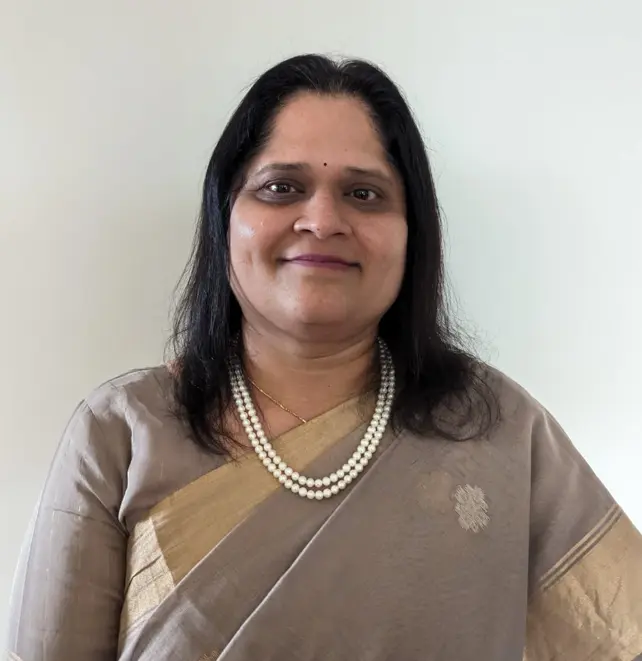
Nagini Chandramouli is a Change Management and Transformation Leader with nearly 30 years of IT experience. Transitioning from 18 years as an Agile Practitioner, she is certified in the Prosci Change Management methodology, specializing in navigating organizational resistance, redefining leadership KPIs, and securing the human element required for sustainable enterprise evolution.
Connect on LinkedIn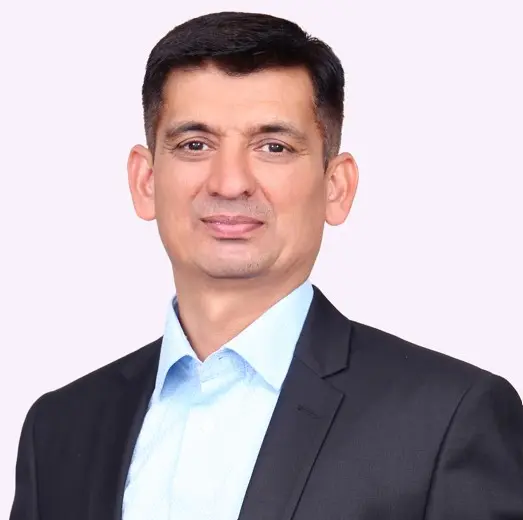
About the Host
Sanjay Saini is the founder of AgileWoW and a leading Agile transformation expert. He hosts the AgileWoW live session series, bringing in industry experts to discuss the practical realities of modern framework adoption and the future of work.
Connect on LinkedInChange Management Is the Missing Half
Frameworks don't change companies; people do. Our Leadership and Change Management course provides the precise tools necessary to read organizational resistance, align executive KPIs, cultivate psychological safety, and successfully guide your enterprise through deep, lasting transformation.
Explore the Leadership Training Course