Agentic AI & The Future of GCCs: Reimagining Enterprise Value
Learn how Global Capability Centers (GCCs) are moving beyond the legacy cost-arbitrage model to become strategic, value-driven innovation hubs powered by Agentic AI and human orchestration.
Session Questions
- Could you give a brief intro about yourself and your professional background?
- How are GCCs evolving in the era of AI?
- Will Agentic AI impact job security in service industries and GCCs?
- How does the mindset differ between a traditional service delivery and a GCC?
- How will different experience levels in the workforce be impacted by AI?
- Why are consulting firms needing to change their approach to setting up GCCs?
- What happens if Agentic AI is deployed without proper guardrails?
- Why is building a product mindset critical for the future of GCCs?
The Core Argument
Guided by host Sanjay Saini, the guest speaker, Gaurav Dhooper, Director of Practice and Capability Development at Genpact unpacked the massive evolution currently underway in Global Capability Centers (GCCs). Historically treated as mere offshore "cost centers" strictly measured by FTE reduction and arbitrage, modern GCCs must pivot to become strategic capability and innovation engines. Gaurav argued that integrating Agentic AI isn't about mass job replacement; it's about automating repetitive operational tasks so human talent can step into vital orchestration roles, co-owning enterprise business results and shaping the parent organization's global culture.
“ Agentic AI is not about replacing humans; it is about augmenting their work. The human essentially becomes the orchestrator of an AI-enhanced enterprise.” Gaurav Dhooper (10:00)
Detailed Answers
1. Could you give a brief intro about yourself and your professional background?
Gaurav Dhooper is a Director of Practice and Capability Development at Genpact. Transitioning from a foundational software engineering role, he has spent over two decades focused heavily on project management, strategic solutioning, and enterprise agility, actively tracking how emerging technologies like Agentic AI reshape modern organizational setups.
2. How are GCCs evolving in the era of AI?
The traditional GCC model was primarily a "captive" center heavily focused on cost arbitrage. Today's modern GCCs focus strictly on value-centric capability building. Gaurav explained that this isn't just a technological upgrade—it requires a profound cultural shift that blends agile ways of working, business acumen, and "power skills" to drive true organizational innovation.
3. Will Agentic AI impact job security in service industries and GCCs?
Gaurav pushed back against the pure job-displacement fear. He clarified that while Agentic AI is highly capable of executing highly repetitive operational tasks, it cannot replicate empathy, strategic monitoring, and complex organizational relationship building. Roles will heavily transform: professionals will shift from raw executors to AI orchestrators, directly supervising autonomous systems.
4. How does the mindset differ between a traditional service delivery and a GCC?
A traditional service delivery operates on a strict vendor-to-customer contract where tasks are executed linearly. A GCC, conversely, is an authentic extension of the parent enterprise. Employees inside a GCC must possess a long-term capability-building mindset, directly co-owning business results and strategy rather than just executing isolated tickets.
5. How will different experience levels in the workforce be impacted by AI?
Younger graduates possess high adaptability and generally lack the rigid mental frameworks built over decades, making them prime candidates to rapidly adopt AI workflows. Veterans with 15-20+ years of experience face a much harder mental transition. Gaurav stressed that senior professionals must urgently reskill, shedding their traditional delivery-centric habits to focus exclusively on strategic alignment and transformation leadership.
6. Why are consulting firms needing to change their approach to setting up GCCs?
Consultancies setting up new GCCs must stop asking, "What cheap work can we move offshore?" and start asking, "What global capabilities can we build here?" Gaurav urged consulting firms to mandate autonomous decision rights, dedicated budgets, and specific innovation charters for GCC leaders so they can actually drive enterprise value instead of just managing cost ledgers.
7. What happens if Agentic AI is deployed without proper guardrails?
Deploying AI agents without strict explainability, legal compliance, and governance mechanisms is an extremely dangerous proposition. If an autonomous agent performs a detrimental or non-compliant action, the legal and ethical liability falls squarely on the human supervisors and the parent organization. AI governance is not optional; it is the fundamental safety net of the modern enterprise.
8. Why is building a product mindset critical for the future of GCCs?
A product mindset forces the GCC to look past merely delivering basic features based on an arbitrary checklist. Instead, teams must empirically validate how the end customer actually interacts with the capability over its entire lifecycle. This paradigm shift from basic "project delivery" to "product capability building" guarantees that the GCC continues to deliver relevant, scalable value to the global enterprise.
Don't let your GCC get left behind as a legacy cost-center. Master the strategic skills required to govern AI workflows, orchestrate enterprise value, and lead cross-cultural innovation in our Agile Leadership and Change Management Training Course.
About the Guest
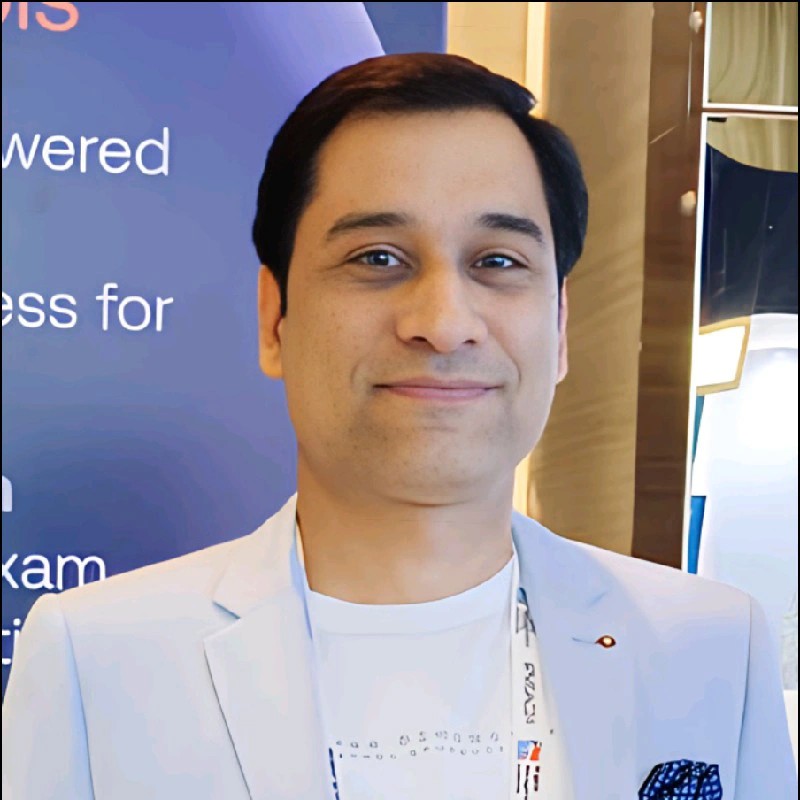
Gaurav Dhooper is the Director of Practice and Capability Development at Genpact. With a deep passion for enterprise agility and program management, he specializes in consulting organizations on how to mature their Global Capability Centers (GCCs) from traditional cost arbitrage models into advanced, AI-orchestrated innovation hubs.
Connect on LinkedIn
About the Host
Sanjay Saini is the founder of AgileWoW and a leading Agile transformation expert. He hosts the AgileWoW live session series, bringing in industry experts to discuss the practical realities of modern framework adoption and the future of work.
Connect on LinkedInUpgrade Your Enterprise Leadership Strategy
When execution becomes automated by AI, strategic judgment and capability building are the only assets that matter. Our training programs teach leaders how to break the cost-center mindset, orchestrate agentic workflows, and build cross-cultural hubs of true business innovation.
Explore the Leadership Training Program